IT
IT
PRESS RELEASE
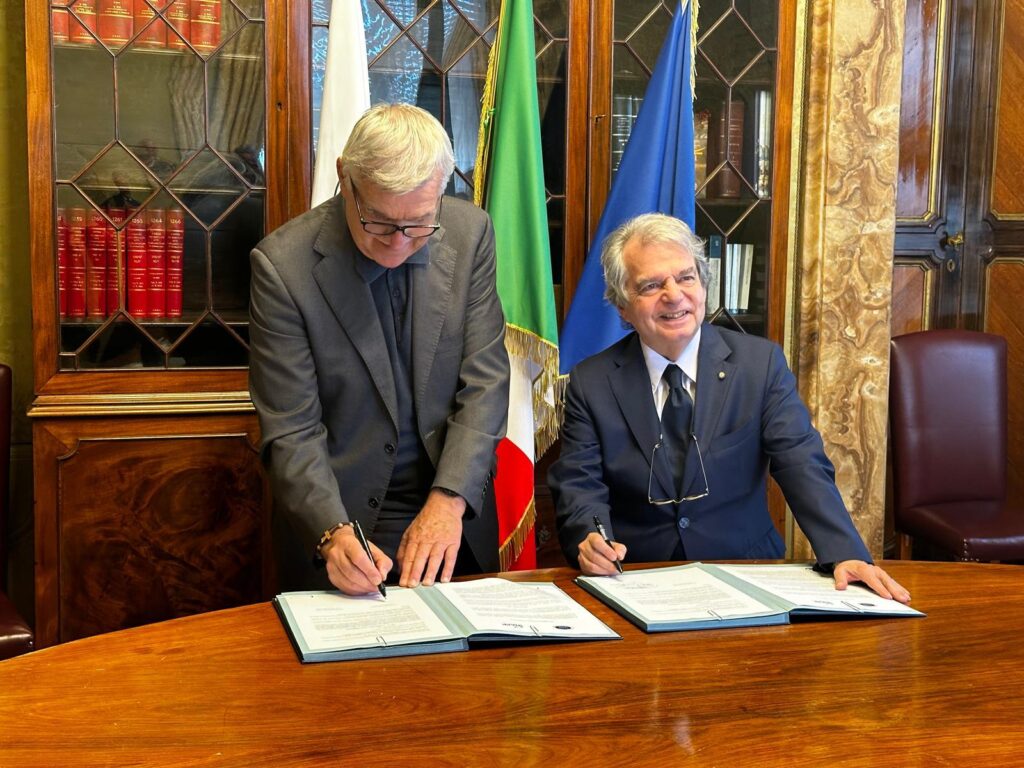
SIGNED THE CNEL-INAPP INTERINSTITUTIONAL AGREEMENT
The CNEL and INAPP have signed an inter-institutional agreement to promote and optimise their mutual actions and competencies in a systematic manner, with particular reference to labour policies, education and vocational training, overcoming the gender gap, combating the social exclusion of specific disadvantaged groups and people with disabilities, and promoting training and work in prisons.
The collaboration also covers the areas of activity of the Commissions and the other CNEL bodies concerning: labour market trends and the regulatory and wage structures expressed by collective bargaining; migration flows and issues related to the integration of foreigners; social inclusion and equal opportunities; and the levels and quality of services provided by public administrations.
‘The agreement signed today with INAPP,’ said the CNEL President Renato Brunetta, ‘is an important step in the process of implementing the programme that the CNEL has established for the 11th Consiliatura. The institute led by Natale Forlani, who I would like to thank for his collaboration, is a highly relevant entity in research dedicated to the themes of labour, training, and social inclusion. These are the key issues addressed by the CNEL. The power of legislative initiative that the Constitution gives us, as well as the role of assisting and advising the Government and Parliament in the development of effective public policies, require a capacity for analysis, monitoring, and evaluation that INAPP will undoubtedly be able to help us implement and improve’.
Natale Forlani highlighted how cooperation between public institutions and the role of intermediate bodies are fundamental in the planning of strategic interventions that define active labour policies.
‘The impact of technological innovations on work organisations and professional profiles requires an update of the analyses of the behaviour of institutional and social actors, as well as reform policies to utilise the new opportunities for productivity growth and to offer original answers to the critical issues of the labour market, also taking into account demographic issues and the ageing of the active population.’
Rome, 18 July 2024
INAPP
Corso Italia n.33, Roma
[email protected]
Tel.0685447700